
"coffee cultivation shift"
400 article(s) found

Pure flavor, fragrant Tanzanian coffee flavor, characteristics, taste and manor introduction
Due to political instability and rampant diseases and insect pests, the coffee industry in Tanzania has been damaged, leading to a decline in the overall level of coffee and instability in quality, which in turn lead to lower prices, which are usually the result of a further decline in the coffee industry. What's more, it is estimated that more than 12% of the Arabica coffee grown in northern Tanzania from 1969 to 1985 has gone.

Tolima, Colombia-St. Louis Manor Finca San Luis Pink Bourbon Coffee
Professional coffee knowledge exchange more coffee bean information please follow the coffee workshop (Wechat official account cafe_style) Pink Bourbon aerobic fermentation washing treatment of St. Louis Manor in Tolima, Colombia Colombia Tolima Finca San Luis Red Bourbon Aerobic Fermentation Washed Omar Arango: Omar Arango is from St. Louis Manor.

High-quality coffee bean producing countries introduce coffee from Tanzania
Due to political instability and rampant diseases and insect pests, the coffee industry in Tanzania has been damaged, leading to a decline in the overall level of coffee and instability in quality, which in turn lead to lower prices, which are usually the result of a further decline in the coffee industry. What's more, it is estimated that more than 12% of the Arabica coffee grown in northern Tanzania from 1969 to 1985 was smuggled.

Introduction to the Global Coffee growers-- the characteristics of Tanzanian Coffee
Due to political instability and rampant diseases and insect pests, the coffee industry in Tanzania has been damaged, leading to a decline in the overall level of coffee and instability in quality, which in turn lead to lower prices, which are usually the result of a further decline in the coffee industry. What's more, it is estimated that more than 12% of the Arabica coffee grown in northern Tanzania from 1969 to 1985 was smuggled.

Boutique coffee beans from Tanzania introduce the characteristics of Tanzanian coffee
Due to political instability and rampant diseases and insect pests, the coffee industry in Tanzania has been damaged, leading to a decline in the overall level of coffee and instability in quality, which in turn lead to lower prices, which are usually the result of a further decline in the coffee industry. What's more, it is estimated that more than 12% of the Arabica coffee grown in northern Tanzania from 1969 to 1985 was smuggled.

Tanzania coffee bean flavor, rich and refreshing
Following Cafe Review (Wechat official account vdailycom) found that Tanzania Coffee, a small shop of its own, has long been loved by Europeans and joined the ranks of famous products. Europeans give Tanzania a nickname for coffee gentleman, and Chinese coffee connoisseurs call it the coffee swordsman with the coffee king Blue Mountain and the coffee lady's mocha.

Characteristics of regional treatment of varieties produced by grinding scale of coffee bean flavor description in Tanzania
Tanzania coffee bean flavor description grinding scale variety production area treatment characteristics Tanzania coffee beans have extraordinary quality, produced in the Mohi district near Mount Kilimanjaro, the mountain area with a height of 3,000 to 6,000 feet is the most suitable area for growing coffee, where fertile volcanic ash gives the coffee a strong texture and soft acidity. It emits fineness.
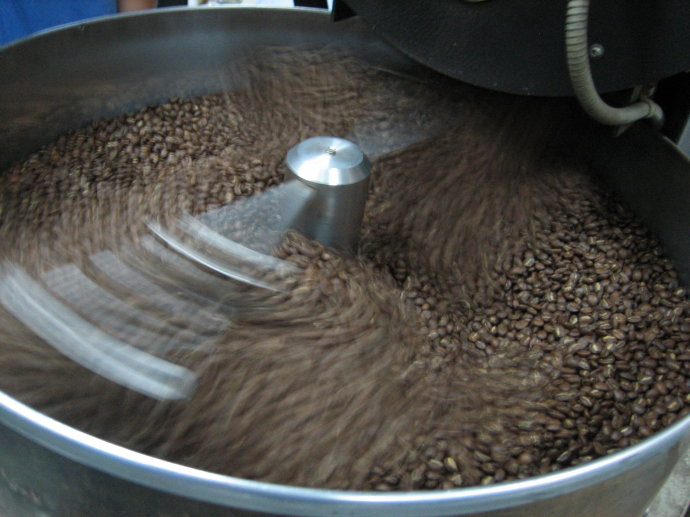
Introduction of pure flavor Tanzanian coffee varieties taste manor boutique coffee beans
Due to political instability and rampant diseases and insect pests, the coffee industry in Tanzania has been damaged, leading to a decline in the overall level of coffee and instability in quality, which in turn lead to lower prices, which are usually the result of a further decline in the coffee industry. What's more, it is estimated that more than 12% of the Arabica coffee grown in northern Tanzania from 1969 to 1985 has gone.
Tanzania Coffee introduces the characteristics of Tanzanian Coffee Tanzania Coffee quality Tanzania
Due to political instability and rampant diseases and insect pests, the coffee industry in Tanzania has been damaged, leading to a decline in the overall level of coffee and instability in quality, which in turn lead to lower prices, which are usually the result of a further decline in the coffee industry. What's more, it is estimated that more than 12% of the Arabica coffee grown in northern Tanzania from 1969 to 1985 was smuggled.

Introduction of Tanzanian boutique coffee Tanzania boutique coffee taste flavor Tanzanian coffee
Due to political instability and rampant diseases and insect pests, the coffee industry in Tanzania has been damaged, leading to a decline in the overall level of coffee and instability in quality, which in turn lead to lower prices, which are usually the result of a further decline in the coffee industry. What's more, it is estimated that more than 12% of the Arabica coffee grown in northern Tanzania from 1969 to 1985 was smuggled.

Introduction to the manor of arusha coffee bean producing area in Mount Meilu, Tanzania
Tanzania's main coffee producing area, located at the foot of Mount Kilimanjaro, is rich in volcanic soil. Some coffee trees planted here are more than 100 years old. Coffee was first introduced by Christians from Kenya to grow coffee. Coffee trees must be carefully taken care of, weeded and fertilized. And old branches must be cut off so that new branches can grow to maintain the quality of coffee beans.

Introduction of coffee beans in Tanzania how about coffee beans in Tanzania
Due to political instability and rampant diseases and insect pests, the coffee industry in Tanzania has been damaged, leading to a decline in the overall level of coffee and instability in quality, which in turn lead to lower prices, which are usually the result of a further decline in the coffee industry. What's more, it is estimated that more than 12% of the Arabica coffee grown in northern Tanzania from 1969 to 1985 has gone.

Flavor and taste characteristics of Tanzanian coffee with pure flavor introduction of fine coffee in manor producing area
Pyrethrum: mainly planted by small farmers, the planting area is distributed in the southern highlands of Mbeya District and Iringa District. The annual output is estimated at 2500 tons. The centralized management department of the industry is the Tanganyika Bureau of exterminating Chrysanthemum. Oil crops: non-traditional crops, including industrial and oil crops, such as castor, sunflower, peanut, sesame, coconut, cottonseed and soybean. Many provinces are suitable.
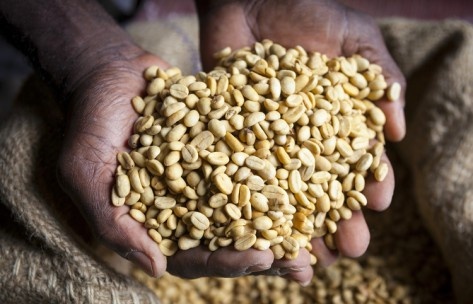
Pure Flavor Tanzania Coffee Variety characteristics introduction to Fine Coffee beans in Manor
Due to political instability and rampant diseases and insect pests, the coffee industry in Tanzania has been damaged, leading to a decline in the overall level of coffee and instability in quality, which in turn lead to lower prices, which are usually the result of a further decline in the coffee industry. What's more, it is estimated that more than 12% of the Arabica coffee grown in northern Tanzania from 1969 to 1985 has gone.
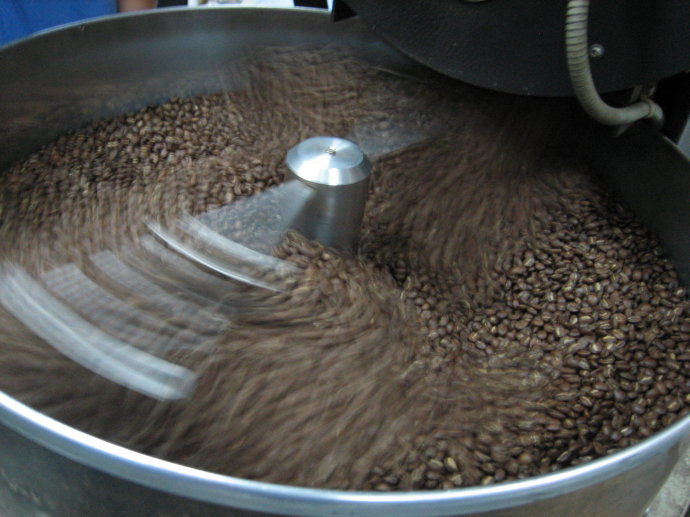
Introduction to the flavor of high-quality coffee beans in the manor
Due to political instability and rampant diseases and insect pests, the coffee industry in Tanzania has been damaged, leading to a decline in the overall level of coffee and instability in quality, which in turn lead to lower prices, which are usually the result of a further decline in the coffee industry. What's more, it is estimated that more than 12% of the Arabica coffee grown in northern Tanzania from 1969 to 1985 has gone.

Pure flavor, aroma overflowing with Tanzanian coffee flavor, characteristics, taste and manor introduction
Due to political instability and rampant diseases and insect pests, the coffee industry in Tanzania has been damaged, leading to a decline in the overall level of coffee and instability in quality, which in turn lead to lower prices, which are usually the result of a further decline in the coffee industry. What's more, it is estimated that more than 12% of the Arabica coffee grown in northern Tanzania from 1969 to 1985 has gone.

Tanzania boutique coffee introduces the characteristics of Tanzania boutique coffee Tanzania boutique coffee
Due to political instability and rampant diseases and insect pests, the coffee industry in Tanzania has been damaged, leading to a decline in the overall level of coffee and instability in quality, which in turn lead to lower prices, which are usually the result of a further decline in the coffee industry. What's more, it is estimated that more than 12% of the Arabica coffee grown in northern Tanzania from 1969 to 1985 was smuggled.
How about Tanzanian coffee beans? how much is a kilo of coffee beans?
Due to political instability and rampant diseases and insect pests, the coffee industry in Tanzania has been damaged, leading to a decline in the overall level of coffee and instability in quality, which in turn lead to lower prices, which are usually the result of a further decline in the coffee industry. What's more, it is estimated that more than 12% of the Arabica coffee grown in northern Tanzania from 1969 to 1985

Introduction to the taste of Kilimanjaro coffee beans by grinding scale treatment
Usually its acidity is relatively mild, after the entrance, it evenly stimulates the taste buds in the middle and both sides of the back of the tongue, feeling a bit like the sour taste of tomato or soda. After moderate or more moderate baking, it has a strong aroma, then grind it into a fine powder, soak it in a pot of boiling water, and invite friends to sit around and taste it. Coffee exports from Tanzania (Tanzania) are found throughout

Guatemalan Coffee New Oriental producing area what is the price of Guatemalan coffee
Professional coffee knowledge exchange more coffee bean information please follow the coffee workshop (Wechat official account cafe_style) New Oriental New Oriente, a unique region that greets the first dawn of the country every day, is the most eastern producing area of Guatemala. New Oriental is one of the seven major producing areas of boutique coffee defined by the Guatemala Coffee Association (Anacafe) in 1980.